Natural cat food and natural diet for cats
Read more

Many wet cat foods contain added sugar. Despite this, food without added sugar would be a better option for your cat, as a cat’s most important nutrients are water, protein, and fat. Cats do not need sugar or other carbohydrates in their diet.
Read this article to understand the harm added sugar in food causes to cats and what changing their diet requires.
Digestive problems: A cat is an obligate carnivore.
A diet high in carbohydrates, such as sugar, starch, or fibre, can lead to digestive problems like diarrhoea, vomiting, and bloating.
Obesity is the most common feeding mistake in pet cats.
Overweight: Excessive carbohydrate intake can promote weight gain and obesity in cats. Fat and certain amino acids activate enzymes that regulate eating and increase the feeling of fullness. Therefore, a diet high in protein and sufficient fat makes a cat feel fuller with less amount of food compared to consuming a carbohydrate-rich diet.
Cats' blood sugar levels also remain lower when their diet consists of high-protein and low-carbohydrate food.
Overweight cats have up to a fourfold risk of diabetes compared to normal-weight cats. Read what to consider when feeding an overweight cat!
Urinary stones: When cats eat a diet high in carbohydrates and low in protein, their urine excretes four to five times more oxalate, which can combine with calcium to form calcium oxalate stones.
Oral health problems: Sugar is not good for a cat's oral health. Sugar is believed to stick to cats' teeth and gums, where it can promote tooth decay and gum disease, providing an ideal breeding ground for harmful bacteria.
PrimaCat products do not contain any added sugar or wheat. Our cat food recipes are based on the main principles of cat nutrition, the most important of which is a high amount of animal protein.
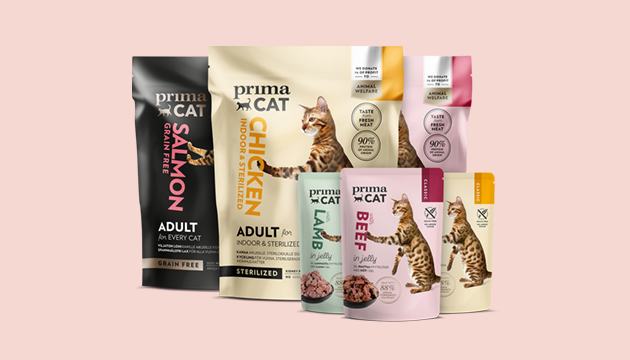
Particular attention should be paid to the diet of sterilised or neutered indoor cats, as neutered cats tend to gain weight. Read more about feeding a neutered or spayed cat.
Studies have shown that cats can taste salty, sour, and bitter, but not sweet flavours. However, added sugar can alter the other flavours and the smell of the food that a cat tastes.
Cat food with no added sugar may require adjustment not only from the cat but also from the cat owner. Added sugar caramelises when heated, giving wet food a beautiful, human-eye-pleasing brown hue. Wet cat food with no added sugar often remains pale or the colour of the meat it contains, which may not look as appealing and can surprise an unaccustomed cat owner. The smell of cat food is also different from that of food containing added sugar.
Adult cats can adapt to a diet without added sugar, but it’s best to choose an appropriate diet starting from kittenhood, as the foundation for a cat’s adult health is laid during its first year of life.
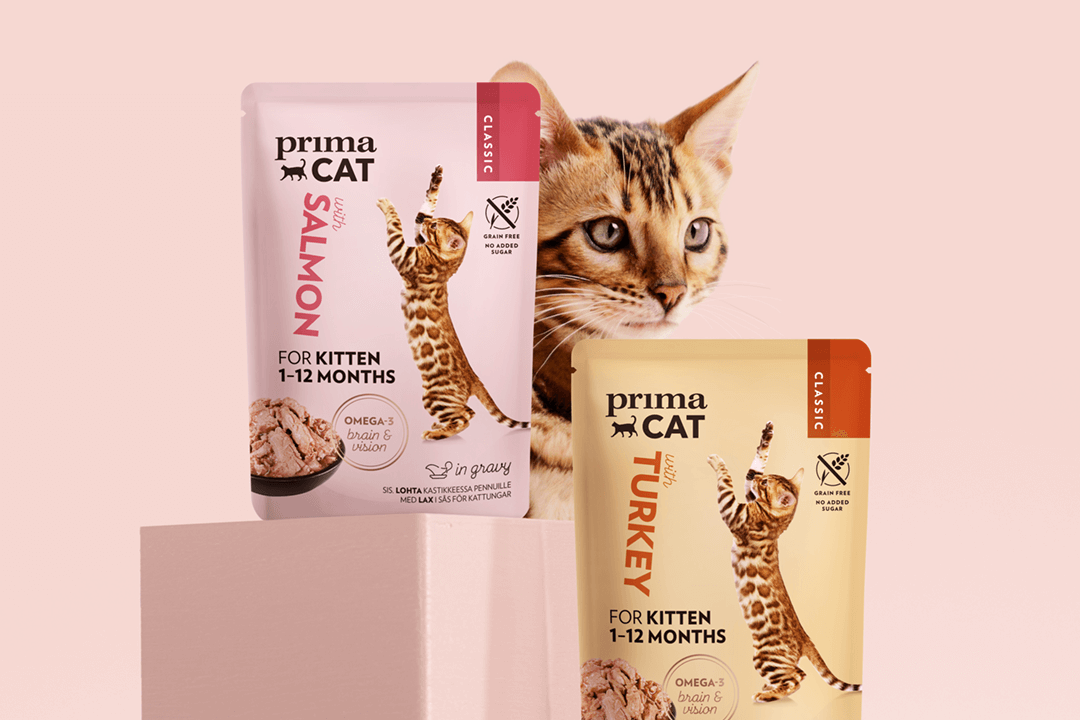
When food tastes and smells different than before, switching to a new diet may not happen overnight. However, the change is worth it, as the best result can be several more years with your silky-pawed friend.
A cat is also a so-called generalist predator, meaning it adapts to the food available in its environment, and habit often guides a cat's taste preferences. Food that contains no added sugar will gradually become part of your cat’s regular diet. Check out our tips for changing your cat's food!
Do you already know the most important nutrients for a cat? Learn from our article what nutrients a cat needs from its food, and the benefits and drawbacks of meal feeding and free feeding. Explore!
Anturaniemi, J., Heikkinen, E., Ylikorpi, P., Florio, J., Docendo, & Florio, J. (2024). What to put in the cat's bowl?: Individual feeding throughout life. Docendo.
Li, Xia, Li, Weihua, Wang, Hong, Bayley, Douglas L., Cao, Jie, Reed, Danielle R., Bachmanov, Alexander A., Huang, Liquan, Legrand-Defretin, Véronique, Beauchamp, Gary K. & Brand, Joseph G. (2006) Cats Lack a Sweet Taste Receptor. The Journal of Nutrition 136(7 Suppl): 1932S–1934S.